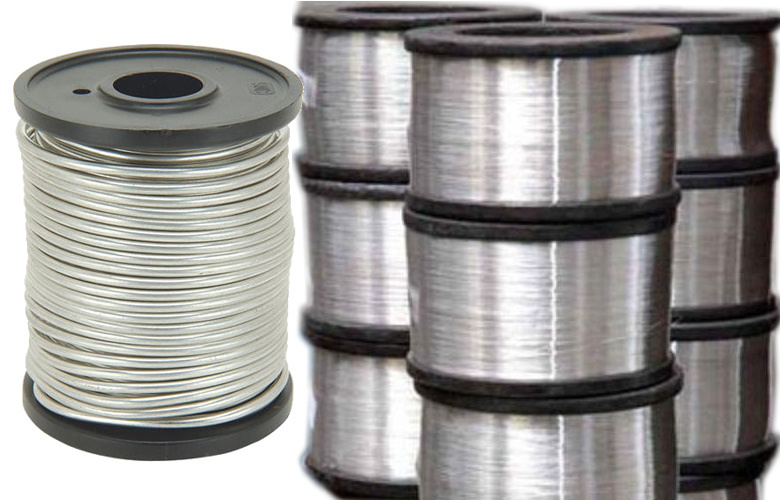
Discover why electroplated pure tin protects copper conductors from hydrogen sulfide oxidation, moisture ingress, and thermal degradation across marine, solar, and industrial cabling installations.
Introduction to Copper Oxidation & Protective Tin Barriers
Electrolytic Tough Pitch (CU-ETP) copper offers unparalleled electrical conductivity (100% IACS). However, when exposed to humid, alkaline, or chemical industrial environments, pure bare copper forms cuprous oxide and carbonates, leading to increased contact resistance and accelerated terminal embrittlement.
Electroplated or hot-dipped pure tin (Sn) acts as an impermeable barrier. With a standard plating thickness calibrated to ASTM B33 specifications, tinned wire delivers:
Superior Solderability: Tin coating prevents oxygen diffusion, allowing clean, flux-free electronic terminations even after extended warehousing.
Sulfur Resistance: In rubber and neoprene insulated cables, vulcanizing sulfur compounds rapidly corrode bare copper into black copper sulfide. Tin plating neutralizes sulfur reactivity entirely.
Marine & Subway Longevity: For high-humidity underground tunnels, railway locomotives, and rooftop solar harnesses, tinned wire extends operational service life well past 25 years.Manufacturing Precision at Tekla Energy
At our RIICO Chopanki works, Tekla Energy calibrates tin coating adhesion to pass rigorous bend and elongation tests per IS 10810 and IEC standards, ensuring zero flaking during high-speed bunching and twisting.Discuss Your Conductor Specification
Tekla Energy custom engineers single-strand, multi-wire, and bunched conductors tailored to your exact gauge, elongation, and plating thickness parameters.